 CookingCost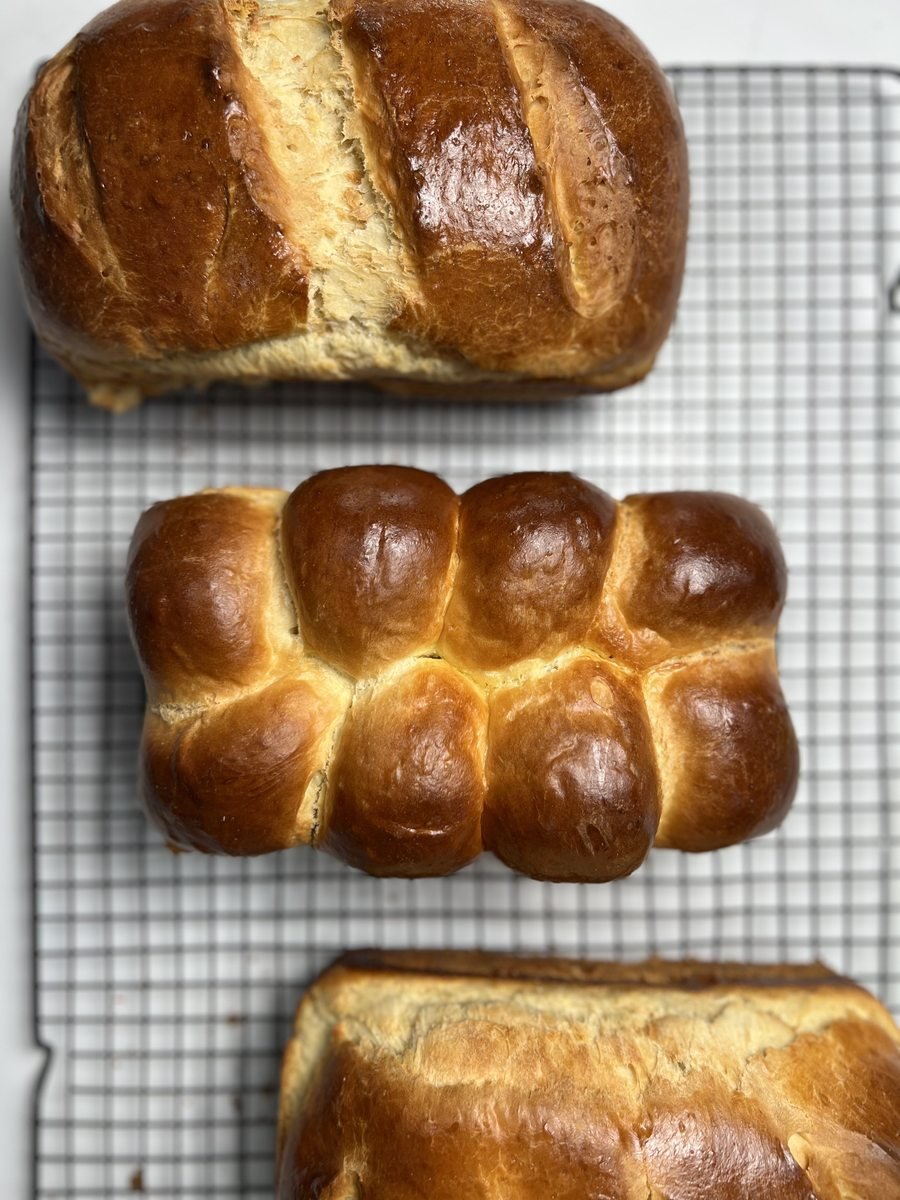
What Exactly Is All-Purpose Flour?
Walk into any grocery store and you'll find bags of all-purpose flour stacked high on the shelves. It's the most common flour in American kitchens, but do you actually know what's inside that bag? All-purpose flour, commonly called AP flour, is a refined wheat flour made from a blend of hard and soft wheat varieties. This blend gives it a moderate protein content, typically between 10 and 12 percent, which lands it right in the middle of the flour spectrum.
That middle-ground protein level is exactly what makes AP flour so incredibly useful. Protein content in flour determines how much gluten develops when you mix it with water. More gluten means more structure and chew. Less gluten means a more tender, delicate crumb. Because AP flour sits in the center of this range, it performs reasonably well across a huge variety of baked goods without being perfectly specialized for any single one.
There are two main types of AP flour you'll encounter at the store: bleached and unbleached. Bleached flour has been treated with chemical agents to speed up the natural aging process, resulting in a slightly softer texture and brighter white color. Unbleached flour ages naturally and has a slightly denser texture with a more off-white appearance. For most recipes, you can swap one for the other without noticing a major difference, though purists often prefer unbleached for its more natural processing.
How AP Flour Compares to Other Flours
Understanding AP flour becomes much easier when you compare it to its siblings on the flour shelf. Cake flour has the lowest protein content, usually around 7 to 9 percent, which is why cakes made with it turn out incredibly soft and tender. Bread flour sits at the opposite end with 12 to 14 percent protein, giving yeast breads their signature chewy texture and strong structure. Pastry flour falls between cake and AP flour at around 9 percent protein.
So where does that leave AP flour? Exactly in the middle, which is both its greatest strength and its only real limitation. A loaf of sandwich bread made with AP flour will be good, but a loaf made with bread flour will have better structure and a chewier bite. A birthday cake made with AP flour will be delicious, but one made with cake flour will be noticeably lighter and more delicate. Knowing this helps you make smarter decisions in the kitchen without necessarily spending more money on specialty flours for everyday baking.
What You Can Bake With AP Flour
The list of things you can bake with all-purpose flour is almost easier to describe by what you cannot make. AP flour handles cookies, muffins, quick breads, pancakes, waffles, pie crusts, biscuits, brownies, pizza dough, sandwich bread, cinnamon rolls, and so much more. It's the true workhorse of the home baker's pantry.
When the holiday season rolls around and you're flipping through a book like Baking for the Holidays: 50+ Treats for a Festive Season, you'll quickly notice that the vast majority of those festive cookie recipes, spiced loaves, and celebratory cakes call for nothing more than plain AP flour. That's not a coincidence. Recipe developers know that home bakers stock AP flour year-round, and they write recipes around what's already in your pantry. A well-tested AP flour recipe accounts for its protein level and delivers reliable results every time you bake.
For cookies specifically, AP flour gives you a balanced texture that's neither too cakey nor too crispy. Chocolate chip cookies, snickerdoodles, shortbread, gingerbread cutouts, and thumbprint cookies all perform beautifully with AP flour. The moderate gluten development gives cookies just enough structure to hold their shape while still staying tender in the center.
How to Measure AP Flour Correctly
Here's where a lot of home bakers quietly ruin their recipes without realizing it. Measuring flour incorrectly is one of the single most common baking mistakes, and it can throw off the texture and moisture balance of everything you make. When you scoop a measuring cup directly into a bag of flour, you compress the flour and can end up with 20 to 30 percent more than the recipe actually calls for. That extra flour turns cookies cakey, makes muffins dry and crumbly, and turns soft bread dough into a stiff, dense brick.
The right method is called the spoon and level technique. Use a spoon to gently scoop flour into your measuring cup until it's overflowing, then use the flat edge of a knife or spatula to level off the top. Never shake the cup or tap it on the counter to settle the flour before measuring. This technique gives you a light, accurate cup of flour every time.
Even better than volume measuring is using a kitchen scale to weigh your flour in grams. One cup of properly measured AP flour weighs approximately 120 to 125 grams. Weighing flour eliminates all the variability of scooping and leveling and is the method professional bakers use without exception. If you're serious about consistent results, a basic digital kitchen scale is one of the most valuable tools you can add to your setup.
Storing AP Flour to Keep It Fresh
Flour doesn't last forever, and improperly stored flour can ruin an otherwise perfect recipe. Unopened bags of AP flour stored in a cool, dry pantry will last about one year. Once you open the bag, the clock starts ticking faster. Opened flour stored at room temperature should ideally be used within six to eight months.
The best way to store AP flour after opening is to transfer it into an airtight container. Flour absorbs odors and moisture from its environment, so keeping it sealed protects both its flavor and its performance. Glass or food-grade plastic containers with tight-fitting lids work perfectly. Label the container with the date you opened the bag so you can track how long it's been sitting in your pantry.
For long-term storage, AP flour can be refrigerated or even frozen. Frozen flour keeps well for up to two years. Just make sure to let it come back to room temperature before using it in recipes, since cold flour can affect how dough and batter come together. Store it in a freezer-safe airtight bag or container to prevent it from absorbing any freezer odors.
One sign that your flour has gone bad is a stale, musty, or sour smell. Fresh AP flour has a mild, neutral scent. If yours smells off, it's time to replace it. Old flour can also harbor pantry pests, so inspect it carefully if it's been sitting around for a while. Investing in proper storage is a small step that pays off in better baking and less food waste.
AP Flour and Recipe Costing for Home Bakers
Here's something most baking blogs skip over entirely: understanding the cost of your AP flour matters just as much as understanding how to use it. All-purpose flour is one of the cheapest ingredients in most recipes, but its cost still adds up, especially if you're baking in large batches for gifts, events, or a small home bakery operation.
At a typical grocery store, a five-pound bag of AP flour runs between $3 and $5. That bag contains roughly 17 to 18 cups of flour, which breaks down to about 20 to 25 cents per cup. When you're costing out a recipe, knowing that number helps you accurately calculate your total ingredient costs without guessing. Tools like CookingCost.com make this process simple by letting you enter the price and quantity of your ingredients and automatically calculating the cost per unit and per recipe.
Buying AP flour in bulk, such as a 25-pound bag from a warehouse store or restaurant supply, can drop your per-cup cost significantly. For bakers who go through several bags a month, the savings are real and meaningful. Just make sure you have proper airtight storage to keep large quantities fresh, and factor your storage containers into your overall baking budget.
Common AP Flour Questions Answered
Can you substitute AP flour for bread flour in a pinch? Yes, though your bread will have slightly less chew and structure. The swap works well enough for most home baking purposes. Can you use AP flour in place of cake flour? Yes, using the cornstarch substitution mentioned earlier. Can you use AP flour for sourdough? Absolutely, many excellent sourdough loaves are made entirely with AP flour.
Is there a gluten-free equivalent to AP flour? Several gluten-free all-purpose flour blends on the market are specifically formulated to behave like AP flour in recipes. Results vary by brand and recipe, and most require a binding agent like xanthan gum unless the blend already contains one.
What about whole wheat flour? Whole wheat flour includes the bran and germ of the wheat kernel, which gives it a denser texture, nuttier flavor, and more nutrients than AP flour. You can substitute up to 50 percent of the AP flour in most recipes with whole wheat flour without dramatically changing the result. Going higher than that can make baked goods noticeably heavier and denser.
All-purpose flour earns its name every single time you bake with it. Whether you're making a quick weeknight batch of banana muffins or working your way through a full roster of festive holiday treats, AP flour is the dependable foundation that makes it all possible. Understanding it better means baking more confidently, wasting less, and getting the results you're looking for every single time you preheat that oven.