 CookingCost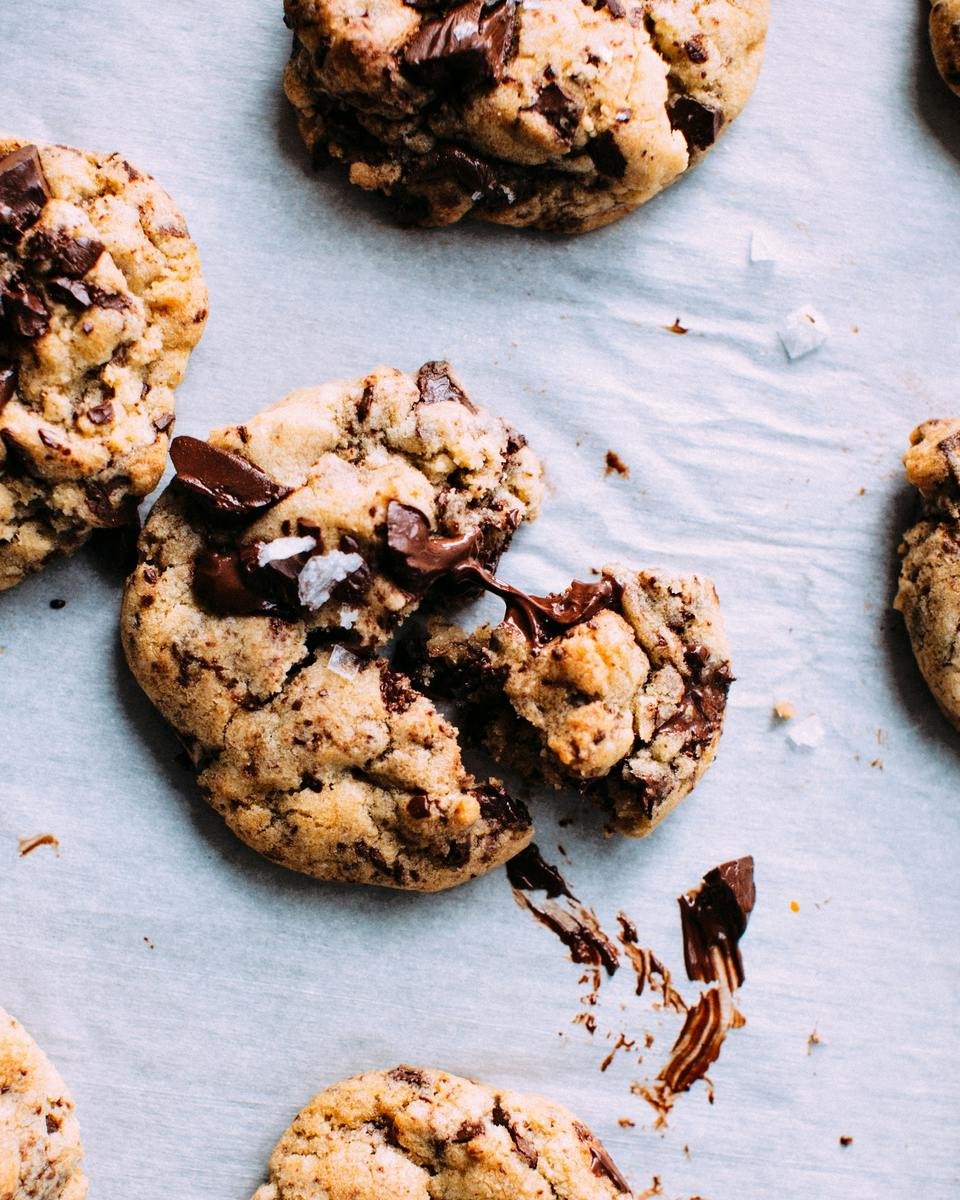
What Exactly Is Brown Butter?
Brown butter, or 'beurre noisette' as the French call it (meaning 'hazelnut butter'), is simply butter that's been gently cooked until the milk solids caramelize and turn a beautiful golden brown. This magical transformation happens when you heat butter past its melting point, allowing the water to evaporate and the milk solids to toast. The result? A nutty, complex, almost toffee-like flavor that adds incredible depth to everything from chocolate chip cookies to buttercream frosting.
The process might sound fancy, but it's actually one of the easiest techniques you can master in your kitchen. If you can melt butter, you can make brown butter—you just need to pay attention for a few extra minutes.
Why Bakers Are Obsessed With Brown Butter
Once you start using brown butter in your recipes, there's no going back. Here's why it's become a staple for home bakers who want to take their creations to the next level:
Flavor complexity: Brown butter adds a nutty, caramelized dimension that regular melted butter simply can't match. It makes cookies taste richer, cakes more sophisticated, and even simple buttercream taste like you spent hours perfecting it.
Versatility: You can use brown butter in nearly any recipe that calls for melted butter. Chocolate chip cookies, blondies, banana bread, frosting, pie crust—the list goes on. It's particularly stunning in recipes with nuts, chocolate, or warm spices.
Impressive results with minimal effort: For just a few extra minutes of cook time, you get bakery-quality results that will have everyone asking for your secret ingredient.
How to Make Perfect Brown Butter Every Time
Ready to try it yourself? Here's your foolproof method:

Step 1: Choose quality butter. Since brown butter is all about enhancing butter's natural flavor, start with something delicious. Kerrygold Irish Grass-Fed Salted Butter Sticks, 16 OZ work beautifully—the rich, grass-fed flavor really shines through when browned, and the slight saltiness adds another layer of complexity to your baked goods.
Step 2: Use a light-colored pan. A stainless steel or light-colored saucepan lets you see the color change clearly. Dark pans make it nearly impossible to judge when your butter has reached that perfect golden-brown stage.
Step 3: Cut and melt. Cut your butter into tablespoon-sized pieces for even melting. Place them in your pan over medium heat.
Step 4: Watch and whisk. Once melted, the butter will foam up, then the foam will subside. Keep whisking gently and watch for golden-brown specks to form at the bottom of the pan. You'll notice an amazing nutty aroma—that's your cue that it's almost ready.
Step 5: Remove from heat immediately. When the butter turns amber and smells like toasted nuts (this happens quickly!), pour it into a heatproof bowl to stop the cooking process. The milk solids can go from perfect to burned in seconds.
Using Brown Butter in Your Recipes
Most recipes that call for melted butter can use brown butter instead. Just remember to let it cool to room temperature first if your recipe requires it, and account for the slightly reduced volume due to water evaporation. Start with classic recipes like chocolate chip cookies or snickerdoodles to really taste the difference—you'll be amazed at how one simple technique can completely transform familiar favorites.
