 CookingCost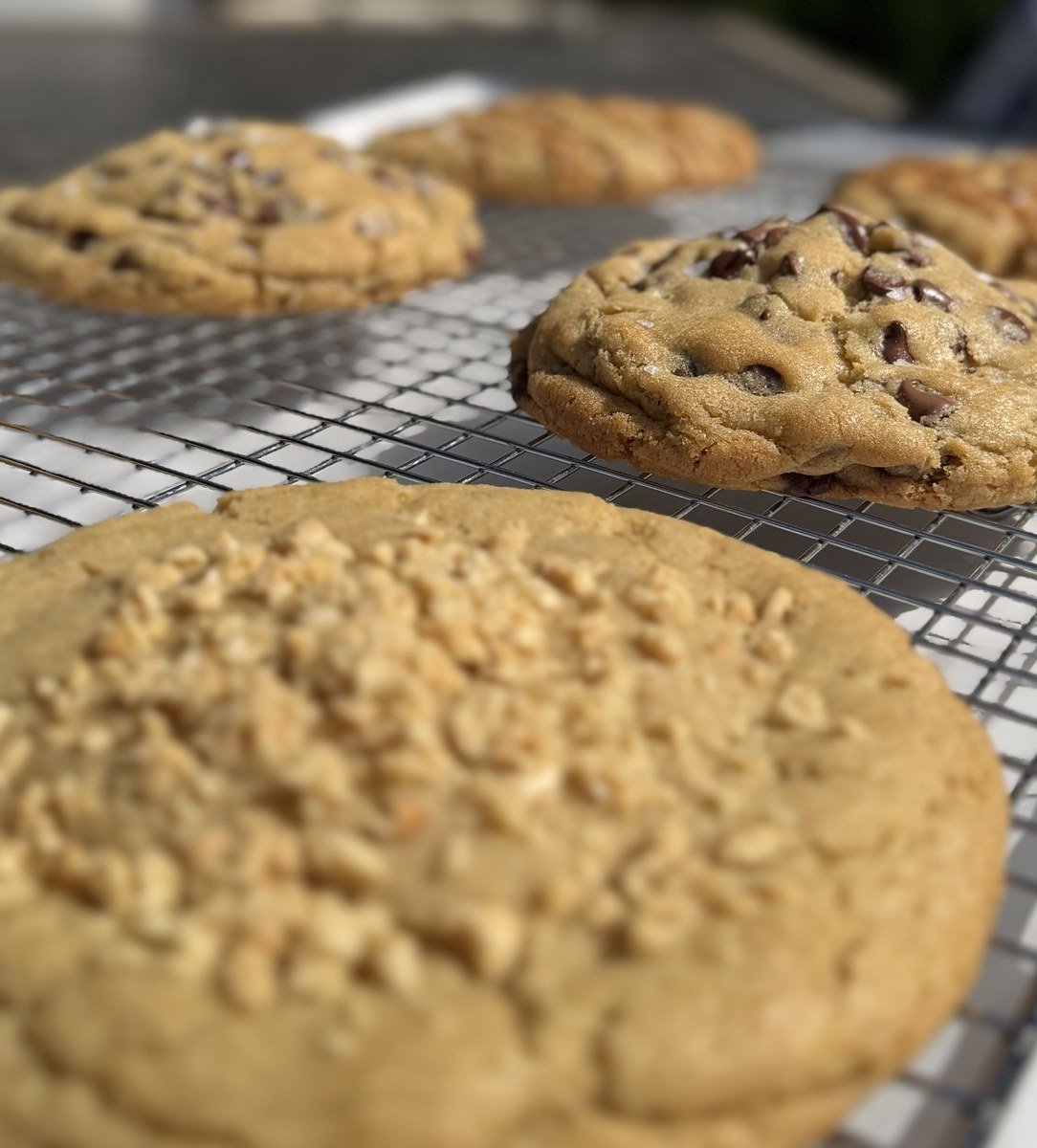
The Day I Forgot to Soften My Butter
It was a Saturday morning, I had a farmers market in three hours, and I grabbed my butter straight from the fridge without thinking. I was rushing. I figured I'd just work it harder in the mixer and hope for the best.
Those cookies sold out first. Every single one of them.
That was the moment I stopped treating cold butter like a mistake and started treating it like a choice. And honestly, it changed the way I bake drop cookies, shortbread, and even some bar cookies entirely.

What Cold Butter Actually Does to a Cookie
Here's the thing nobody really explains clearly: butter temperature controls how much your cookies spread.
When butter is soft or at room temperature, it creams easily with sugar, incorporates air, and melts fast in the oven. That gives you a lighter, puffier cookie that spreads moderately and has a cakey texture in the middle. Great for some recipes. Not always what you want.
Cold butter behaves differently. It resists the mixer at first, which means less air gets incorporated. And because it takes longer to melt in the oven, your cookies hold their shape longer during baking. The edges have time to set before the whole thing collapses into a puddle. What you end up with is a cookie that's denser, chewier, with slightly crisp edges and a thick center that stays gooey longer after it cools.
If you've ever wondered why your chocolate chip cookies spread out thin and flat, warm butter (or melted butter that's re-solidified unevenly) is almost always part of the story.

Cold Butter vs. Room Temperature Butter vs. Melted Butter
- Cold butter: Less spread, thicker cookie, chewier texture, crispier edges. Better structure for add-ins like chunks or chips.
- Room temperature butter: More spread, softer crumb, lighter texture, holds shape moderately. The classic cookie butter state.
- Melted butter: Maximum spread, fudgier and denser texture, almost brownie-like in some recipes. Great when you want flat and chewy.
None of these is wrong. They're just different tools. The problem is when your recipe calls for one and you accidentally use another — then you're chasing consistency you can't find.
When to Use Cold Butter on Purpose
I reach for cold butter in a few specific situations now, and I'd encourage you to experiment with the same.
Thick, Bakery-Style Drop Cookies
If you want those tall, bakery-style chocolate chip cookies that look like they belong behind glass, cold butter is your friend. I cut it into rough chunks and let my stand mixer work it with the sugar for a few extra minutes. It comes together — it just takes more effort. The result is a dough that's stiffer, holds a ball shape when scooped, and bakes up thick with a crackled top.
Shortbread and Slice-and-Bake Cookies
Cold butter is basically the whole point of shortbread. That crumbly, sandy texture you love? That comes from cold fat coated in flour before it fully incorporates. If you let your butter warm up too much in shortbread dough, you lose that snap. I've ruined more than one batch this way in a hot kitchen.
When Your Kitchen Is Warm
This is a practical one. In summer, even 'room temperature' butter can be too soft depending on where you live. I'm in a spot where my kitchen runs warm, and I've learned that pulling butter out 15 minutes before baking instead of an hour makes a real difference in how my cookies hold up.
What This Means If You're Selling Your Cookies
If you're running a cottage food business or selling at markets, consistency is everything. A customer who buys your cookie one week and gets something totally different the next isn't coming back.
Butter temperature is one of those variables that's easy to overlook and hard to diagnose when things go wrong. I didn't even think to write it into my process notes until I had two batches of the same recipe come out completely different and couldn't figure out why. Turns out I'd pulled the butter out at different times those two days.
Now I keep a note in my recipe file: butter straight from fridge, cut into pieces, mix 4 minutes before adding sugar. That's it. That small note has made my batches more consistent than almost anything else I've changed.
If you're using CookingCost to track your recipes, add butter temperature as a note in your process section. It won't change your cost calculations, but it'll save you from a bad batch on a day when you can't afford one.
One Last Thing
I know it feels a little counterintuitive. Every baking class, every recipe headnote says 'make sure your butter is at room temperature.' And for a lot of recipes, that's right. But blindly following that rule without understanding why means you're missing out on a whole range of textures you could be achieving on purpose.
Try cold butter on your next batch of chocolate chip cookies. Seriously. Give your mixer an extra few minutes and don't be alarmed if the dough looks a little shaggy at first. Stick it in the fridge for half an hour after scooping. Then bake and see what you think.
I'd bet you end up with your new favorite version.
