 CookingCost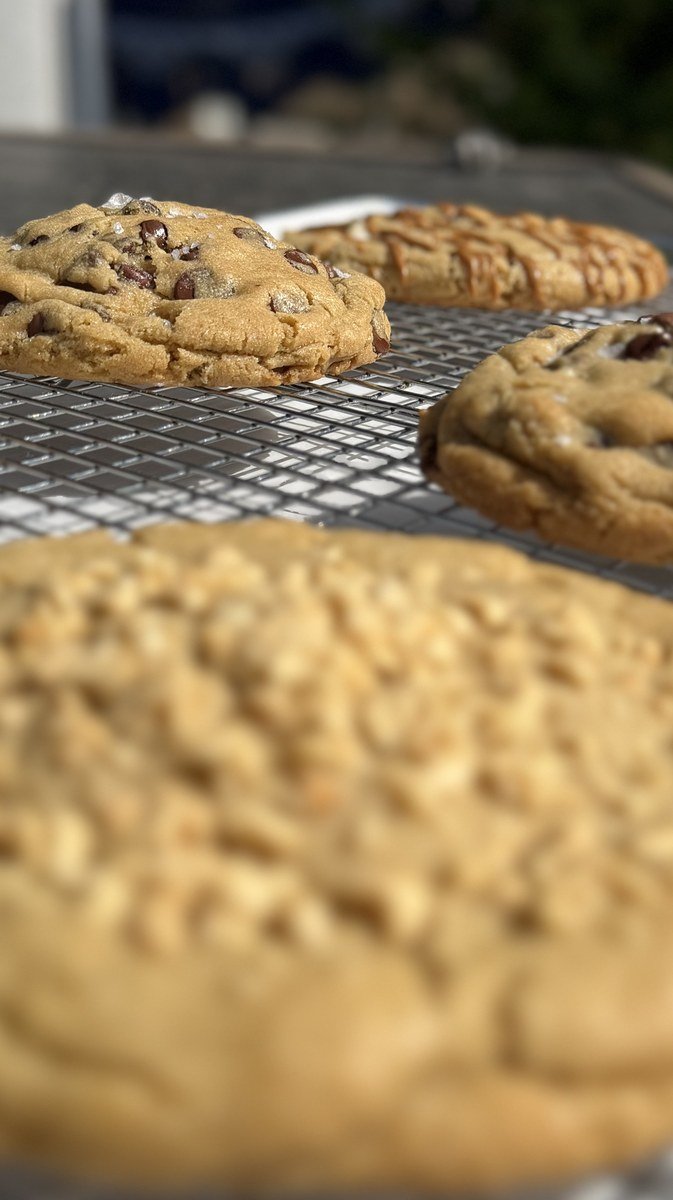
What Does Corn Starch Actually Do in Cookies?
Corn starch is a powerful but often overlooked ingredient in cookie baking. When added to your dough, it interferes with gluten formation, resulting in a more tender, delicate crumb. The starch granules also absorb moisture during baking, which creates that coveted soft, almost cake-like center while maintaining crispy edges. For home bakers tracking expenses on tools like CookingCost.com, corn starch is an incredibly cost-effective ingredient that delivers impressive results without breaking your baking budget.
When to Say Yes to Corn Starch
Corn starch shines in specific cookie applications. Use it when you want ultra-soft chocolate chip cookies with a bakery-style texture, or when making delicate shortbread and sugar cookies that should practically melt in your mouth. It's particularly valuable for cookies that need to maintain their shape without spreading too much. A typical ratio is replacing 2 tablespoons of flour with 2 tablespoons of corn starch for every cup of flour in your recipe.
Snickerdoodles benefit enormously from corn starch, creating that characteristic tender crumb beneath the cinnamon-sugar coating. Wedding cookies, Russian tea cakes, and other melt-away style cookies also rely heavily on corn starch for their signature texture. When portioning these delicate doughs, a quality Cookie Scoop Set ensures uniform sizing and consistent baking times, which is especially important when working with corn starch-enhanced recipes that can overbake quickly.
When to Skip the Corn Starch
Corn starch isn't always the answer. If you're baking crispy, crunchy cookies like biscotti or thin gingersnaps, corn starch works against your goals by adding tenderness where you want snap. Similarly, chewy cookies that rely on moisture and density, such as certain oatmeal or molasses cookies, don't need the textural interference corn starch provides.
Recipes specifically developed without corn starch shouldn't be modified on your first attempt. The original formula likely achieves its intended texture through a different balance of ingredients. Additionally, if you're working with alternative flours like almond or coconut flour, these already behave differently than all-purpose flour, and adding corn starch can create unpredictable results.
Cost Considerations and Storage Tips
One advantage of corn starch for budget-conscious bakers is its affordability and long shelf life. When calculating recipe costs, corn starch typically adds mere pennies per batch while significantly improving texture. Store it in an airtight container in a cool, dry place, and it will last for years without losing effectiveness.
For home bakers experimenting with corn starch ratios, consistency is key to comparing results. Using a Cookie Scoop Set helps you portion identical amounts of dough for each test batch, making it easier to evaluate how corn starch affects your cookies' spread, texture, and baking time. This systematic approach helps you dial in the perfect recipe while accurately tracking ingredient costs.
The verdict? Corn starch deserves a place in your cookie-baking toolkit, but use it strategically based on your desired outcome.