 CookingCost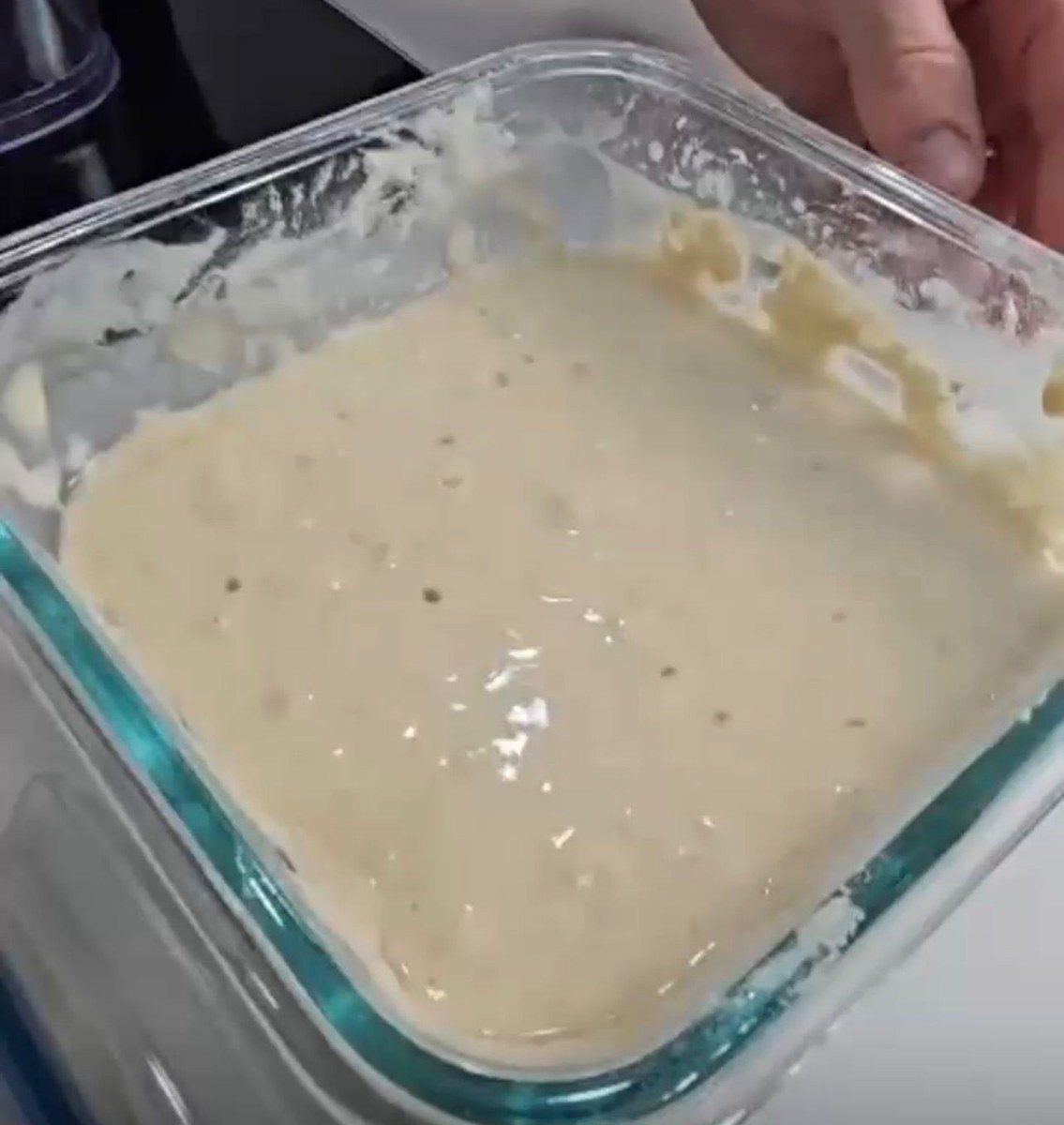
The Real Timeline: Active Days vs. Active Minutes
When someone asks how long it takes to make sourdough starter, the answer can be confusing. The truth is: you'll need 5-7 days from start to finish, but your actual working time is surprisingly minimal—just 5 minutes per day. This distinction is crucial for home bakers planning their schedules and costing out their sourdough projects. Think of it like growing a plant: it takes days to mature, but you're only watering it briefly each day.
Day-by-Day Breakdown
Day 1 (2 minutes): Mix equal parts flour and water in a jar. That's it. You're combining roughly 50g of flour with 50g of water to create your initial mixture. At current flour prices, this costs mere pennies to start.
Days 2-3 (5 minutes each): You might see some bubbles, or you might not—both are normal. Each day, discard half of your starter and feed it with fresh flour and water. This 'discard and feed' process becomes your daily routine. The discarding step, while seemingly wasteful, is essential for maintaining a healthy ratio of yeast to food supply.

Days 4-5 (5 minutes each): This is when things get exciting. Your starter should begin showing consistent activity: bubbles throughout, a pleasant tangy smell, and noticeable rise after feeding. Continue the same discarding and feeding schedule. Some bakers see vigorous activity by day 4, while others need the full week—temperature plays a huge role here.
Days 6-7 (5 minutes each): By now, your starter should double in size within 4-8 hours of feeding. This predictable rise is your green light that it's ready for baking. The total hands-on time invested? Less than 35 minutes spread across a week.
Factors That Affect Your Timeline
Temperature is the biggest variable in starter development. A warm kitchen (75-80°F) can produce a ready starter in 5 days, while cooler environments (65-70°F) might need 7-10 days. If you're tracking costs for your baking projects, remember that a longer timeline means more flour used in daily feedings—typically 350-700g total depending on your feeding schedule.
Whole grain flours also speed up the process compared to all-purpose flour. Rye and whole wheat contain more wild yeasts and nutrients, sometimes cutting your timeline by 1-2 days. However, they cost more per pound, so factor this into your recipe costing.
The Cost Factor
For home bakers using CookingCost.com to track expenses, creating a starter is one of the most economical fermentation projects. You'll use approximately 350-500g of flour total across the week (accounting for discards), which translates to roughly $2-4 depending on flour type and local prices. That's a one-time investment for something you can maintain indefinitely with minimal ongoing costs—just 50-100g of flour per week once established.
What About Shortcuts?
Some bakers swear by adding commercial yeast, using pineapple juice, or other acceleration methods. While these might show bubbles faster, they don't necessarily create a more robust or flavorful starter. The traditional method is reliable, well-tested, and gives you consistent results worth the wait.
The bottom line? Plan for one week from mixing to baking, but don't stress about the time commitment. Making sourdough starter is one of the most hands-off kitchen projects you'll undertake, leaving you plenty of time to calculate your other recipe costs and plan your baking schedule.
