 CookingCost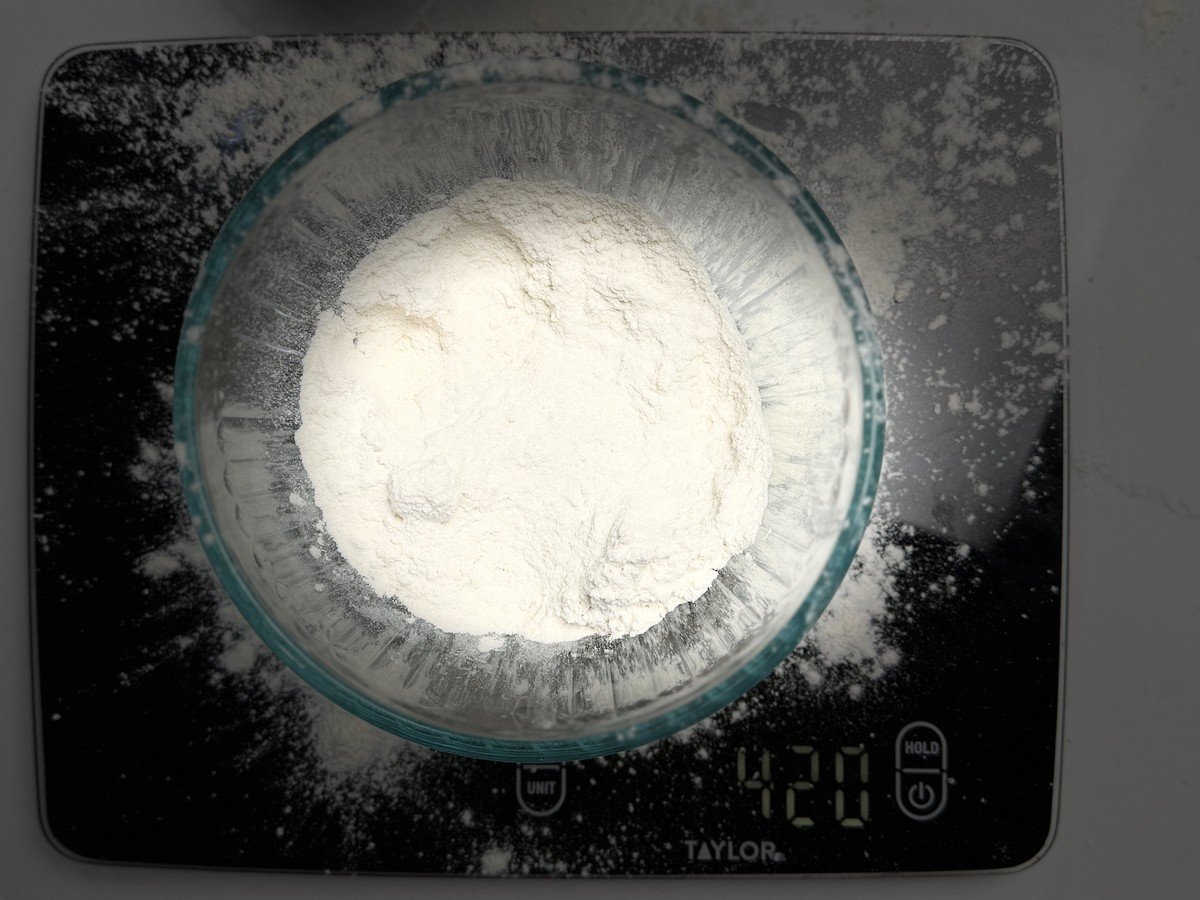
The Dirty Secret About Measuring Cups
Measuring cups feel reliable. They're in every kitchen, they're colorful, they're familiar. But here's the truth: a cup of flour measured by three different bakers will weigh three completely different amounts.
How you scoop, whether you pack it down, how humid your kitchen is, how settled the flour is in the bag — all of it changes the volume. We're talking anywhere from 120 grams to 180 grams for a single "cup" of all-purpose flour. That's a 50% swing. No wonder your banana bread is dense one week and perfect the next.
Weight Measuring Gives You a Repeatable Recipe Every Time
When you measure by weight, 150 grams of flour is always 150 grams of flour. No scooping technique, no tamping, no leveling with a knife. You put the bowl on the scale, zero it out, and pour until you hit your number. Done.

This consistency matters for everyone, but it's especially critical if you're selling baked goods. Your customers expect the same brownie every time they order. Weight measuring makes that possible.
Volume vs Weight: A Side-by-Side Look
Common Ingredients Where the Difference Is Huge
- All-purpose flour: 1 cup = anywhere from 120g to 180g depending on technique
- Brown sugar: Loosely packed vs firmly packed can differ by 30–40 grams
- Cocoa powder: Sifted vs unsifted creates dramatic volume differences
- Oats: Rolled oats are airy — a "cup" varies wildly
- Chopped nuts: The size of your chop changes how much fits in a cup
Notice a pattern? Anything that can be packed, aerated, or cut differently becomes unreliable in a measuring cup. Weight sidesteps all of that completely.
Why This Matters Even More for Recipe Costing
If you're using a tool like CookingCost.com to price your baked goods, accurate ingredient amounts aren't just about taste — they directly affect your profit margin.
Say you're costing a dozen chocolate chip cookies and your recipe calls for 2 cups of butter. If your "cup" of butter is off by even 10 grams each time, your cost calculations are built on a shaky foundation. Scale that across dozens of recipes and hundreds of orders, and you're either over-buying ingredients or underpricing your products without knowing it.

Weighing your ingredients locks in precise, repeatable costs. When you know exactly how many grams of almond flour go into each macaron, you can cost that recipe accurately down to the cent.
How to Make the Switch Without Losing Your Mind
Step 1: Get a Reliable Kitchen Scale
You don't need anything fancy. A basic digital kitchen scale that measures in 1-gram increments and holds at least 5 kg is all you need. Look for one with a tare function (the button that zeros it out between ingredients) and you're set.
Step 2: Convert Your Favorite Recipes
You don't have to ditch your old recipes. Make them once while weighing each ingredient as you go, and write down the gram amounts. You've now created a more accurate, repeatable version of that recipe you've been making for years.
Step 3: Stop Measuring Liquids by Volume Too
This one surprises people. Water, milk, and most thin liquids are easy — 1 ml of water weighs 1 gram, so 240 ml of water is 240 grams. But thicker liquids like honey, maple syrup, or oil are denser and benefit from weight measuring too. Just weigh them directly into your bowl and skip the sticky measuring cups entirely.
The Cottage Food Business Case
If you're selling at farmers markets, taking custom orders, or building a cottage food business, consistency is your reputation. A customer who loves your sourdough or your shortbread is trusting that next week's version will be just as good.
Weight measuring also makes scaling effortless. If your standard batch makes 12 cupcakes but you need 60 for a wedding order, you multiply every gram amount by five. Try doing that cleanly with cups and teaspoons and you'll quickly remember why professional bakeries abandoned volume measuring decades ago.
Quick Reference: Volume to Weight Conversions for Common Baking Ingredients
- All-purpose flour: 1 cup = 125g (spooned and leveled)
- Granulated sugar: 1 cup = 200g
- Powdered sugar: 1 cup = 120g (sifted)
- Unsalted butter: 1 cup = 227g
- Whole milk: 1 cup = 240g
- Honey: 1 cup = 340g
- Baking soda: 1 teaspoon = 6g
The Bottom Line
Measuring by weight isn't a professional chef trick that's too complicated for home bakers. It's simpler than volume measuring once you try it, and the results speak for themselves. More consistent bakes, more accurate recipe costs, and a lot fewer sticky measuring cups to wash.
Pick up a scale, start weighing, and the next time someone asks why your baked goods always turn out perfectly, you'll have a very satisfying answer.
